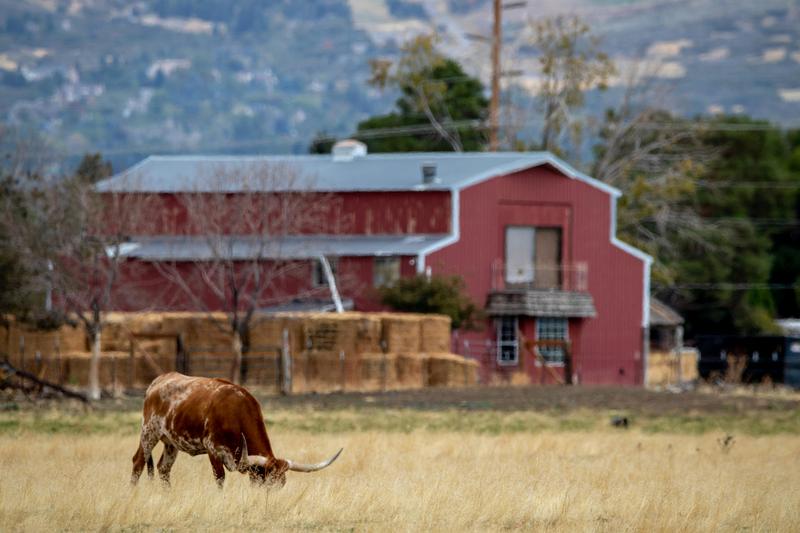
Livestock grazing is the most common qualifying agricultural use in Texas. Whether you run cattle, goats, sheep, horses, or a combination, your county appraisal district requires you to maintain a minimum stocking rate — expressed in animal units (AU) per acre — to keep your agricultural tax valuation.
What Your CAD Requires
Each county sets its own intensity standards for livestock grazing. These typically include a minimum stocking rate (e.g., 1 AU per 5-10 acres for improved pasture, 1 AU per 10-20 acres for native rangeland), documentation of livestock ownership or lease agreements, evidence of active management (veterinary records, feed purchases, fencing maintenance), and proof of commercial agricultural purpose.
Animal Unit Equivalents
One animal unit (AU) is defined as one mature cow (approximately 1,000 lbs). Other livestock types have equivalent values: one mature bull equals 1.25 AU, one horse equals 1.25 AU, one cow-calf pair equals 1.0 AU, one yearling equals 0.7 AU, five sheep or goats equal 1.0 AU, and five deer equal 1.0 AU. Your county may use slightly different equivalents — always verify with your CAD. See our complete animal unit equivalents guide.
What LandComply Tracks
LandComply provides a livestock management dashboard that tracks your current herd count and animal unit calculation, stocking rate compared to your county's minimum, GPS-tagged photos of livestock and pasture conditions, feed and supplement purchase records, veterinary and health management activities, fencing and infrastructure maintenance, and water source management. Every activity is logged with a date, description, and optional photo — building your compliance record in real time instead of reconstructing it from memory at filing time.
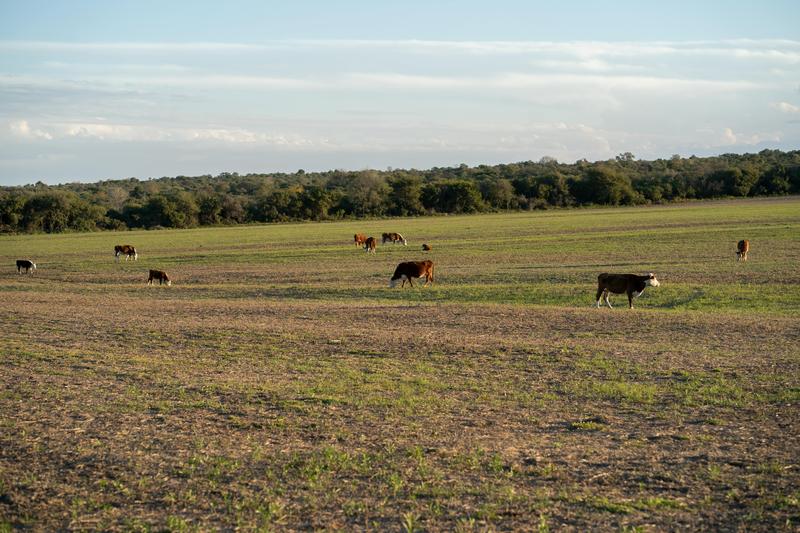
Common Compliance Problems
The most common reasons livestock operations lose their agricultural valuation include stocking rates dropping below the county minimum (often due to drought, disease, or selling without restocking), failure to document livestock ownership or lease agreements, no evidence of commercial purpose (treating the property as a hobby rather than an agricultural operation), and missed filing deadlines for Form 50-129.
Drought and Stocking Rates
If drought forces you to reduce your herd below the county minimum, document everything — the drought conditions, your reduced herd count, and your plan to restock. LandComply tracks this automatically and can support your case with timestamped records and photos if the CAD questions your stocking rate.
Start Tracking Your Activities with LandComply
Plans from $5.95/month for activity logging, GPS photos, compliance scoring, and auto-generated Form 50-129.
View Pricing