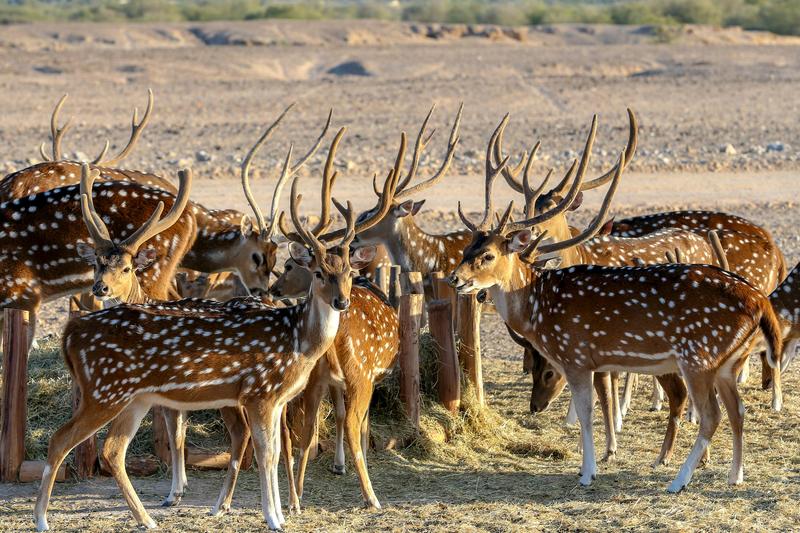
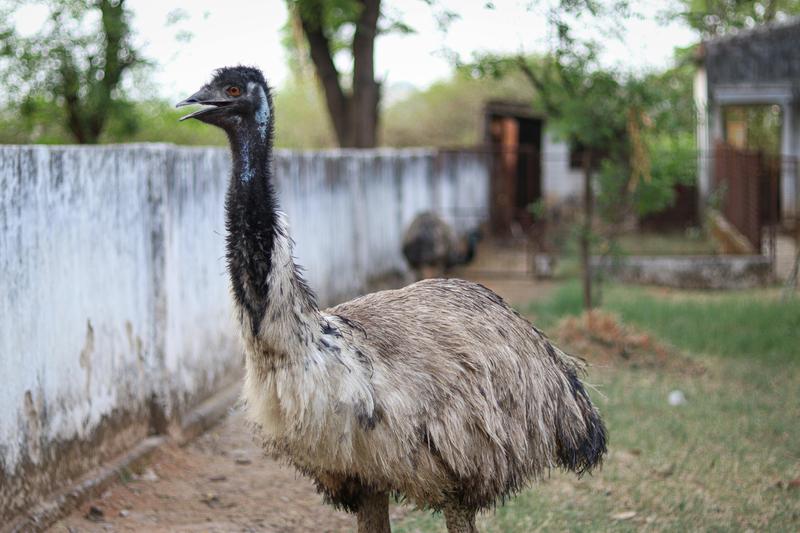
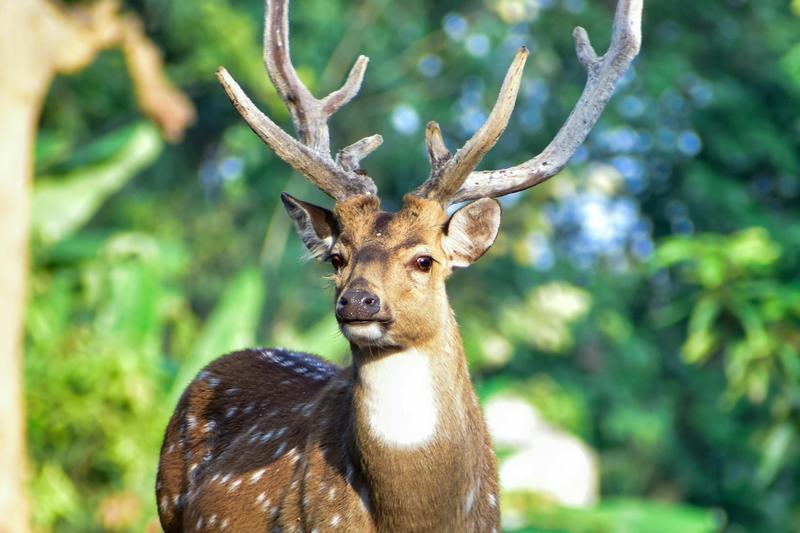
Exotic livestock operations — including axis deer, nilgai, blackbuck antelope, emus, ostriches, and other non-native species — can qualify for 1-D-1 agricultural valuation in Texas. However, exotic livestock operations face additional scrutiny from county appraisal districts because of the overlap with hunting lease operations, which do not independently qualify for agricultural valuation.
Qualifying vs. Non-Qualifying Uses
The key distinction is between raising exotic livestock as an agricultural enterprise (breeding, selling live animals, meat production) versus maintaining exotic animals primarily for hunting purposes. Breeding and selling live exotic animals qualifies as agriculture. Raising exotics for commercial meat production qualifies. Maintaining exotic animals solely to sell hunting access does not independently qualify — though it may qualify under wildlife management (1-D-1W) if the property previously had an ag valuation.
Animal Unit Equivalents for Exotics
Exotic livestock have specific animal unit (AU) equivalents that vary by species. Common equivalents include: axis deer at approximately 0.2 AU each (5 animals per AU), nilgai at approximately 0.5 AU each, blackbuck antelope at approximately 0.17 AU each, emu at approximately 0.17 AU each, and ostrich at approximately 0.33 AU each. Your county may use different equivalents.
LandComply maintains county-specific AU tables so your stocking rate calculations match what your CAD expects.
What LandComply Tracks
LandComply tracks herd inventory by species, sex, and age class, breeding records and offspring documentation, purchase and sale records for live animals, animal unit calculations against county intensity standards, veterinary care and health management, fencing and containment infrastructure (high-fence operations), feed and supplement purchases, and GPS-tagged photos of animals and facilities.
Start Tracking Your Activities with LandComply
Plans from $5.95/month for activity logging, GPS photos, compliance scoring, and auto-generated Form 50-129.
View Pricing