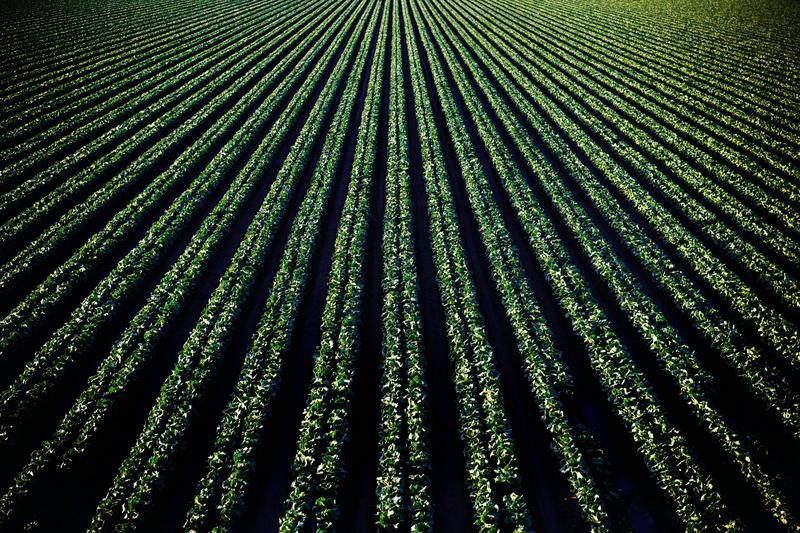
Crop production — including row crops, grain, cotton, corn, wheat, vegetables, and specialty crops — qualifies for 1-D-1 agricultural valuation in Texas. Your county appraisal district requires documentation of active cultivation, production records, and evidence of commercial agricultural purpose.
What Your CAD Requires
Intensity standards for crop production vary by county and crop type, but typically include a minimum cultivated acreage (often 10+ acres), documentation of planting dates, crop types, and acreage planted, records of agricultural inputs (seed, fertilizer, herbicide, irrigation), harvest records with production volumes, and sales records or proof of use (feed, personal consumption for market gardens).
What LandComply Tracks
LandComply's crop production module tracks field preparation and planting activities with GPS coordinates, input purchases (seed, fertilizer, chemicals) with receipt uploads, irrigation records and water usage, crop condition observations with photos
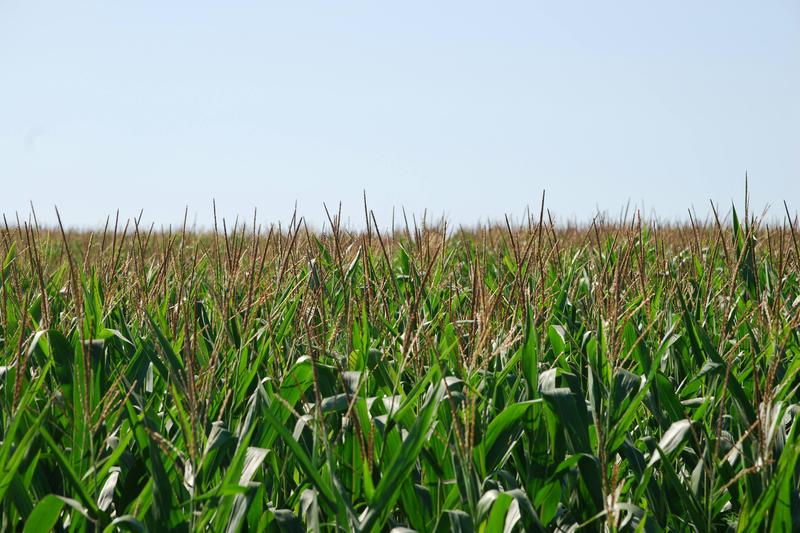
, harvest dates, volumes, and yields per acre, sales records and buyer documentation, and equipment maintenance related to crop operations.
Dryland vs. Irrigated Cropland
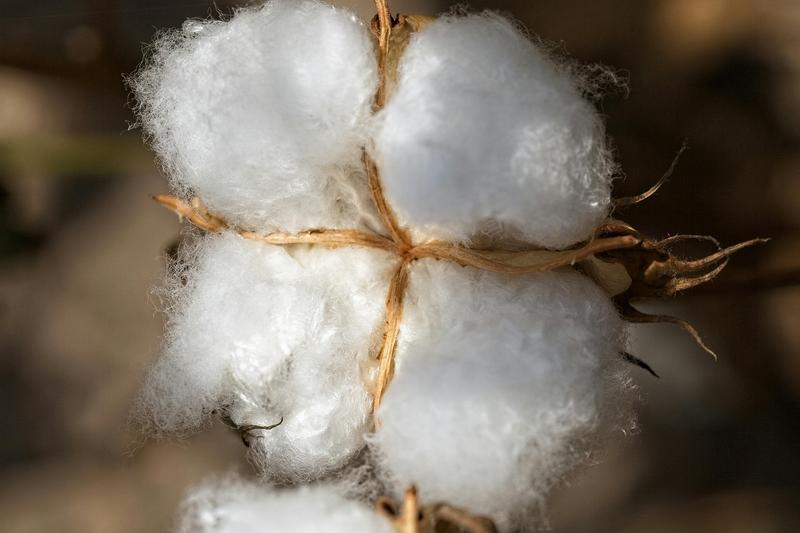
Your county may classify your land differently based on irrigation status. Irrigated cropland typically has a higher productivity value (and therefore higher tax savings) than dryland cropland, but also requires more documentation — including proof of water rights, well permits, and irrigation system records. LandComply tracks both classifications and their respective documentation requirements.
Start Tracking Your Activities with LandComply
Plans from $5.95/month for activity logging, GPS photos, compliance scoring, and auto-generated Form 50-129.
View Pricing